

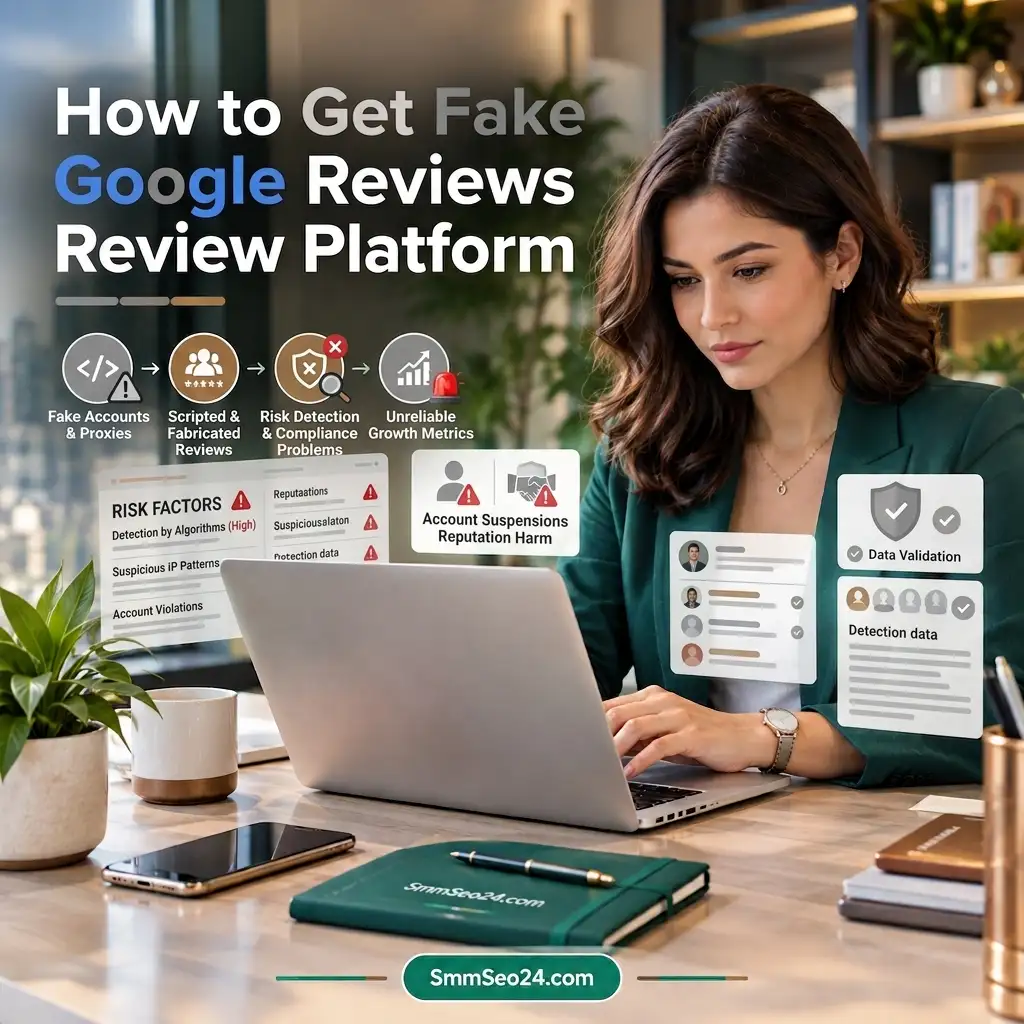
Attempting to get fake Google reviews might seem like a quick strategy to boost ratings, but it poses severe risks to your business. Google’s advanced AI and spam detection algorithms actively track suspicious review patterns, IP addresses, and account histories. Buying or generating fake feedback can lead to immediate review removal, search ranking penalties, or permanent Google Business Profile suspension.
Furthermore, consumer protection laws (like FTC regulations) impose heavy fines for deceptive practices. Instead of risking your reputation and legal standing, focus on legitimate strategies: automate review requests, use checkout QR codes, and deliver exceptional customer service.
Why Google Reviews Matter for Local Businesses
For any local business, google reviews are not just nice to have. They shape your first impression before a customer ever calls, visits, or clicks through to your own website. Online reviews help people compare options quickly. While most Google reviews are written using a Gmail account, users can also leave reviews by signing in with a Google account linked to another email provider or by creating a Google account using a non-Gmail email address. This offers flexibility for customers who do not have a Gmail account but wish to share their feedback.
Just as important, reviews support local SEO and visibility in google maps and search results. Potential customers often choose between a business with recent feedback and one with none. That is why understanding the value of reviews matters before looking at the risks of fake ones. Businesses may try various methods to avoid having their fake Google reviews removed, such as using multiple accounts or disguising review sources, but Google increasingly deploys sophisticated algorithms and manual checks to detect deceptive practices. Ultimately, relying on genuine reviews is the safest way to build credibility and avoid penalties.
How Google Reviews Influence Search Rankings and Trust
Google reviews influence how your google business listing appears to people searching nearby. Reviews help your profile look active, relevant, and useful. For local companies, that matters because search results often decide who gets noticed first.
There is also a direct trust factor. When online reviews feel recent and believable, customer trust grows faster. People want signs that real customers had real experiences. A strong review profile can support clicks, calls, and store visits.
The risks of getting fake Google reviews for your business are serious. Compiled information shows that Google can penalize businesses, remove suspicious reviews, lower visibility, or suspend a google business profile. Once that happens, your place in search results can drop. Even worse, if people spot patterns that look manufactured, trust can disappear almost overnight.
Customer Decision-Making and the Power of Social Proof
People rely on social proof when they face a new buying decision. If potential customers see steady customer feedback from others, they feel less risk. That is why reviews often carry more weight than brand claims on a sales page.
Your online reputation grows when review requests turn into honest feedback from happy customers. A business with no reviews can look untested. A business with believable reviews feels safer, even if every comment is not perfect.
So how can someone identify fake reviews on Google My Business? The compiled information points to common clues: overly enthusiastic wording, vague praise, repeated phrasing, anonymous or thin reviewer profiles, and a lack of specific details about the customer experience. Those signs weaken credibility. Genuine feedback usually sounds personal, uneven, and naturally human.
Understanding the Temptation to Get Fake Google Reviews
The temptation is easy to understand. Business owners know online reviews affect visibility, reputation management, and new customer decisions. When competitors seem ahead, boosting a star rating quickly can look like a practical move.
Still, fake google reviews usually come from pressure, not strategy. Slow review growth, a few negative reviews, or a weak profile can push owners toward shortcuts. Before you act, it helps to understand why this option keeps showing up and how those tactics usually work.
Common Reasons Business Owners Consider Fake Reviews
Many owners want a strong google profile because they know reviews affect visibility and trust. If a local business has only a handful of comments, the gap can feel urgent. That pressure often gets worse after a few negative reviews.
Some businesses also struggle to ask consistently. The compiled information lists common pain points: timing feels awkward, no one owns the process, and requests can seem transactional. When review collection is messy, fake reviews may start to look like a shortcut.
Common reasons include:
- Wanting to offset negative reviews quickly
- Trying to make a weak profile look established
- Feeling behind competitors in local search
- Lacking a clear review collection process
- Believing bought reviews will improve customer experience signals
Are there popular websites where people buy fake Google reviews? The source material refers to companies that sell fake reviews and black-hat style services online, but the safer takeaway is simple: avoid them entirely.
How Fake Reviews Are Bought or Generated Online
Fake google reviews are usually bought through black-hat services or produced with artificial intelligence. The compiled information explains that some sellers use the same profiles to review businesses around the world, while others generate generic text that sounds polished but empty.
In practice, fake review activity often follows predictable patterns. That is one reason these tactics are risky for your online reputation. They may look fast, but they leave footprints that platforms and customers can notice.
Common methods include:
- Paying third-party sellers to post reviews from reused accounts
- Using artificial intelligence to write large batches of generic praise
- Copying nearly identical text across multiple reviewer names
- Creating sudden spikes of positive reviews in a short time
How do businesses generate fake reviews on Google My Business? Usually through paid posting networks, mass-written content, or automated-looking submissions that do not reflect real customer experiences.
The Dangers and Risks of Fake Google Reviews
Fake google reviews may look like a growth tactic, but they come with real downside. The compiled information makes that clear: Google treats fake review activity as a violation, and the consequences can hit visibility, trust, and reputation.
These unethical practices can affect how your google business profile appears in google maps and search. They can also create legal exposure and customer backlash. To see the full picture, it helps to break the risks into policy, legal, trust, and detection issues.
Violations of Google’s Policies and Possible Account Suspension

Google’s policies are designed to protect the integrity of reviews. When a business uses fake reviews, it is not bending the rules. It is violating the platform’s standards for truthful feedback.
That matters because your google business profile is a key part of local visibility. If fake reviews are detected, compiled information shows Google may remove them, lower ratings, penalize the profile, or suspend it. For a local company, that can mean losing a major source of traffic.
What happens if Google finds out your reviews are fake? You could face account suspension, reduced online visibility, and a damaged listing on Google Search and Google Maps. Even before a full suspension, the profile can lose credibility. Once customers and platforms start questioning your reviews, recovery becomes far harder than simply building real feedback from the start.
Legal Consequences and FTC Regulations in the United States
The legal side is just as important. The compiled information states that the Federal Trade Commission ruled a ban against fake reviews of all sorts. That means buying or generating fake Google reviews can create more than just platform risk.
Consumer protection laws exist to stop misleading business practices. If reviews give shoppers a false picture of quality or service, regulators can treat that as deception. The material also notes that fake reviews have already led to fines and public scrutiny.
So, is it legal to buy or generate fake Google reviews? Based on the provided information, no. Businesses can face legal action and civil penalties under FTC enforcement. One example in the source material describes a doctor in the United States who was caught buying fake Google reviews and fined $100,000. That is a costly lesson no business owner should want to repeat.
Loss of Customer Trust and Damage to Reputation
Even if a fake review slips through at first, the long-term cost can be brutal. Customer trust is hard to earn and very easy to lose. Once people suspect manipulation, every other part of your message starts to look questionable.
The compiled information explains why this happens. Fake reviews are often generic, overly polished, or written with unnatural language. Customers notice those patterns. When they do, your reputation management problem gets bigger, not smaller.
There is another issue. Fake praise can set unrealistic expectations. Then a real customer arrives, has an average or poor experience, and feels misled. That can trigger negative reviews, not fewer of them. Instead of improving online reviews, fake tactics can invite a counter-reaction that damages your brand image and makes future prospects doubt every positive comment they see.
How Google Detects and Removes Fake Reviews
Google uses automatic spam filters, machine learning, artificial intelligence, and user reporting to detect fake reviews. The compiled information says these systems keep evolving to find suspicious behavior and remove content that does not look genuine.
That means businesses should stop asking how to avoid removal and start asking how to build a clean review process. Trying to outsmart google business moderation is not a sustainable strategy. Search results reward trust signals over time, not short-term tricks.
Common red flags include:
- Similar wording across multiple reviews
- Sudden review spikes in a short period
- Reviewer accounts with little real history
- Vague comments with no specific experience details
How do businesses avoid having their fake Google reviews removed? The safe answer is they should not try. If the reviews are fake, removal is an ongoing risk, and the attempt itself creates bigger exposure.
Real vs. Fake Google Reviews: What’s the Difference?
At a glance, both real and fake reviews may raise a star rating. That is where the similarity ends. Genuine reviews come from actual experiences, while fake reviews are manufactured to influence perception.
The difference matters because your review collection process shapes your reputation management results. Genuine reviews help you learn, improve, and persuade. Fake ones create risk, weak signals, and unstable trust. Next, let’s compare the tools, patterns, and outcomes that separate them.
Authentic Review Generators vs. Black-Hat Services
Authentic review generators are designed to collect feedback from real customers. In the compiled information, the recommended method starts by asking for feedback first, then inviting willing customers to share a review publicly. That supports authentic reviews without forcing the process.
Black-hat services work very differently. They sell fake reviews, mass-produce text, or use suspicious accounts. These shortcuts may create volume, but they conflict with google’s algorithm and platform rules.
Key differences include:
- Authentic tools support review requests to real customers
- Fake reviews come from paid networks or invented identities
- Real systems help gather usable feedback for improvement
- Black-hat services focus on appearance, not truth
What are the differences between authentic review generators and fake review services? One builds a reliable process from real experiences. The other manufactures signals that can be filtered, removed, or punished.
Signs of Genuine Customer Feedback vs. Fake Patterns
Genuine customer feedback usually contains details a real buyer would mention. It may include names, product or service specifics, small imperfections, or a personal story. Those elements help a review feel believable because they reflect lived experience.
Fake review activity often looks too smooth. Reviews may sound generic, repeat the same phrases, or cluster around a business all at once. A perfect star rating with no nuance can also raise suspicion rather than confidence.
Watch for these red flags:
- Repeated wording across many reviews
- No details about the service or visit
- Reviewer profiles that look empty or recycled
- A sudden flood of five-star posts
How can someone identify fake reviews on Google My Business? Look for patterns instead of one single fake review. Happy customers usually sound specific, varied, and human. Fake patterns often look organized.
Table: Comparing Real and Fake Review Outcomes for Businesses
If you compare business outcomes, the gap becomes obvious. Genuine reviews create durable value because they support trust, learning, and repeatable growth. Fake reviews may create a short-term lift in appearance, but they add instability to your online reputation.

Here is a simple comparison:
| Factor | Genuine Reviews | Fake Reviews |
|---|---|---|
| Source | Real customers | Paid sellers, bots, or fabricated accounts |
| Trust impact | Builds credibility with new customers | Creates suspicion if patterns are spotted |
| Platform risk | Low when collected properly | High risk of removal, penalties, or suspension |
| Feedback value | Useful for service improvement | No real insight for the business |
| Reputation effect | Strengthens online reputation over time | Can trigger backlash and negative attention |
| Search visibility | Supports healthy long-term presence | Can harm visibility if detected |
What are the risks of getting fake Google reviews for your business? This table answers it clearly: fake tactics carry risk across trust, visibility, and compliance.
How to Identify Fake Reviews on Your Google My Business Profile
Not every suspicious comment is fake, but some reviews deserve a closer look. If you manage a google business profile, checking for patterns protects your reputation management efforts and helps keep your listing credible.
This matters on google maps as much as in search. A few clear red flags can tell you whether you may be dealing with fake reviews, review spam, or feedback from someone who was never a real customer. Start with the signs, then investigate carefully.
Warning Signs and Red Flags of Fake Reviews
Start by reviewing tone, timing, and detail. Fake reviews often look out of place when compared with your normal customer feedback. They may be too vague, too polished, or completely disconnected from your actual service flow.
The compiled information highlights several suspicious patterns. If many reviews arrive at once or use similar wording, that deserves attention. The same applies if reviewer profiles appear empty or unrelated to your market.
Watch for these red flags:
- Generic praise or criticism with no specifics
- Similar wording across multiple google reviews
- Reviewer profiles with little information or no history
- Sudden bursts of reviews after little prior activity
- Comments that do not match your review requests or customer journey
How can someone identify fake reviews on Google My Business? By looking for repeated patterns, not just emotional language. One odd post may mean little. A cluster of strange signals means more.
Steps to Investigate Suspicious Google Reviews
When a review looks suspicious, avoid reacting too fast. First, compare it with your records. Can you match the name, timing, or complaint to a real customers interaction? If not, you may have grounds to question it.
Next, document what stands out. Good reputation management depends on evidence, not guesswork. Look for profile issues, repeated text, or claims that do not line up with your service history. Then use the review reporting tools tied to your google business profile.
Take these steps:
- Check whether the reviewer matches any customer record
- Screenshot the review and note suspicious details
- Compare wording with other possible fake reviews
- Flag the review for policy review through Google’s process
How do I contact Google if my business gets fake reviews? The compiled information points to flagging suspicious reviews for moderation and using Google’s review checks rather than trying to remove them yourself.
Beginner’s Guide: How to Get Authentic Google Reviews for Your Business
If you want more authentic reviews, the goal is not to pressure people. It is to create a simple path for satisfied customers to share honest feedback while the experience is still fresh.
That starts with your google business setup and a consistent request process. Once you make it easy with a google review link, good timing, and clear follow-up, online reviews become far more achievable. The next sections break down exactly what you need to start.
What You Need to Start Getting Real Customer Reviews
Before asking for reviews, make sure your basics are in place. Your google business profile should be active, accurate, and easy to find. If your customer experience is inconsistent, fix that first. Reviews follow service quality.
You also need a practical review collection process. The compiled information shows many businesses struggle because no one owns the task, timing feels awkward, or requests seem spammy. A simple system solves most of that.
Start with these essentials:
- A complete google business profile with the right details
- A working review link or campaign path for real customers
- A clear internal process for when and how to ask
How can you encourage more real customers to leave positive reviews? Ask consistently after a good experience, keep the process easy, and give people more than one way to respond.
Step-by-Step Guide to Requesting and Collecting Authentic Reviews
Good review requests feel natural, not forced. Ask after a successful transaction, completed service, or helpful support moment. When the timing feels right, satisfied customers are far more likely to respond.
The compiled information also suggests a smart flow: ask for customer feedback first, then invite people who respond positively to leave a public review. That approach protects customer trust and improves response quality because it starts with listening.
Follow these steps:
- Ask for feedback soon after a positive experience
- Use email, SMS, or in-person prompts to request a google review
- Offer a direct link so the action takes one click
- Keep the wording simple and respectful
This process helps you collect positive feedback without using pressure or shortcuts. It also gives you useful insight from customers who choose not to post publicly.
Step 1: Set Up and Optimize Your Google Business Profile
Begin with the foundation. Your google business profile should be complete, accurate, and actively maintained. That includes business details that match your own website and support a consistent local SEO presence.
A polished profile helps customers trust what they see on google maps and in local listings. It also gives real reviewers a proper place to leave feedback. If the profile is weak or incomplete, even great service can be harder to convert into visible review growth.
This is also where the contrast with fake tactics becomes clear. How do businesses generate fake reviews on Google My Business? They try to inflate a weak profile artificially. A better approach is to strengthen the profile itself, make sure customers can find it easily, and then ask for real feedback that reflects actual experiences.
Step 2: Ask Customers at the Right Moment (In-Person, Email, SMS)
Timing changes everything. If you ask too late, customers forget details. If you ask too early, they may not feel ready. The best moment is soon after positive experiences, when the value of your service is still fresh.
Different channels fit different businesses. In-person requests work well right after a successful visit. Email fits a completed project or delivery. SMS can be effective when you want a quick, low-friction response from happy customers.
Practical options include:
- Ask in person right after a successful service moment
- Send a short email follow-up with a review request
- Use SMS for a quick mobile-friendly google review prompt
Done well, these customer reviews feel earned, not extracted. The goal is to ask while goodwill is high and effort is low.
Step 3: Make It Easy with QR Codes and Direct Links
Even willing customers may not leave a review if the path is confusing. That is why simplicity matters. A google review link creates an easy way for people to act right away instead of planning to do it later and forgetting.
QR codes help in physical spaces. You can place them at the counter, on packaging, or in follow-up materials. Direct links work better in email, SMS, or digital receipts. Both support a cleaner review collection process.
Make it easier by:
- Sharing a direct google review link in follow-up messages
- Using QR codes in-store or on printed materials
- Keeping the request page short and clear
The compiled information also notes that not everyone wants to use Google, so offering multiple ways to leave feedback can improve participation from satisfied customers.
Step 4: Automate Review Requests and Monitor Responses
Once the process works manually, automate it. Consistent review requests are easier to maintain when messages go out after key customer milestones, such as a completed delivery or finished appointment. Automation reduces forgotten follow-ups.
The compiled information includes a case where a company improved results by changing its feedback flow and adding review invitations after first collecting feedback. That shows automation works best when it fits the real customer journey, not when it blasts generic requests.
Focus on these actions:
- Trigger review requests after completed service moments
- Monitor replies so you can respond quickly
- Track which channels create the most positive reviews
This supports your online presence and helps build a strong google profile over time. The key is steady, respectful follow-up backed by real service quality.
Best Practices for Handling Negative and Fake Reviews
Reviews will not always be perfect, and that is normal. A healthy google business profile can include a mix of positive and negative reviews. What matters is how you respond and what process you follow.
Good reputation management means treating criticism seriously and fake reviews carefully. If you answer negative feedback with professionalism and report suspicious content through the proper channels, you protect customer trust without looking defensive. Here is how to handle both situations well.
How to Respond Professionally to Negative Feedback
Negative reviews are not always a threat. In many cases, they are a chance to show how your business listens, solves problems, and treats people fairly. That is valuable for both the reviewer and everyone else reading your google business profile.
The compiled information stresses that you should not fear honest criticism too much. When you respond well, you may fix the issue or at least show that you were willing to help. That can soften the impact on your online reputation.
Keep your response professional by:
- Acknowledging the customer feedback and addressing the issue calmly
- Showing willingness to help without arguing in public
This approach supports reputation management because future customers judge your replies as much as the original complaint. A respectful response can turn a difficult moment into a trust-building one.
Reporting and Removing Fake Reviews from Your Profile
Businesses cannot remove reviews themselves just because they dislike them. The compiled information makes that clear. Genuine reviews stay, even when they are negative. Action is appropriate only when a google review appears false or violates google’s policies.
If you suspect fake content, gather evidence first. Then report the review through the available Google process for moderation. This keeps your response aligned with platform rules and avoids overreacting in public.
Use this process:
- Document why the review appears false or suspicious
- Flag the review for policy review through Google
- Monitor the case and avoid direct confrontation with the poster
How do I contact Google if my business gets fake reviews? Start through the review flagging and checking process connected to your google business profile. That is the proper route for suspected policy violations and possible platform consequences.
Frequently Asked Questions
Is it legal to buy or generate fake Google reviews in the United States?
No. Based on the compiled information, fake google reviews can violate Federal Trade Commission rules and expose a business to civil penalties and legal action. They can also harm your google business profile. If you need legal advice, speak with a qualified attorney, but the safest path is simple: do not buy or generate them.
What should I do if my business receives fake reviews?
First, check whether the google review matches any real customer interaction. If it does not, document the details and report it through your google business tools under google’s policies. Keep your review requests focused on real customers so authentic feedback continues to outweigh suspicious posts over time.
Can businesses remove negative or fake Google reviews themselves?
No. Businesses cannot directly remove negative reviews or fake reviews from a google business profile on their own. They can only report a google review that appears false or violates policy. Genuine criticism must stay, while suspicious content may be reviewed for possible platform consequences by Google.
How can I encourage more real customers to leave positive reviews?
Ask satisfied customers soon after a strong experience. Use simple review requests through email, SMS, or in person, and include a direct google review link or QR code. The easier you make the process, the more likely real customer reviews and positive reviews will come in consistently.
Conclusion
In conclusion, while the allure of fake Google reviews may seem tempting, the risks far outweigh any potential benefits. Violating Google’s policies can lead to account suspension, legal ramifications, and a significant loss of customer trust. Instead, focus on cultivating genuine relationships with satisfied customers and creating an authentic online presence.
By implementing effective strategies for requesting real reviews, you not only enhance your business reputation but also foster loyalty among your clientele. Remember, authenticity is key in the digital age. If you’re ready to elevate your online reputation and ensure sustainable growth, don’t hesitate to reach out for expert guidance and support.


