

Introduction
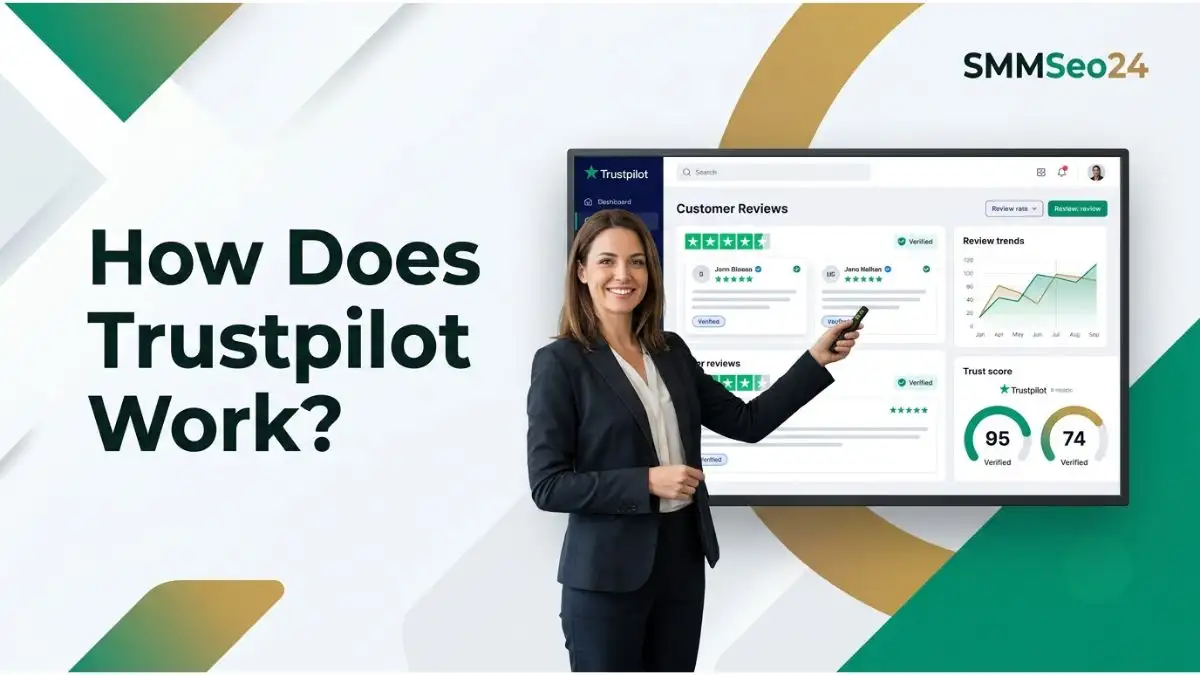
Your online presence is shaped by what people say about your business. That is why review platforms matter so much today. Trustpilot stands out by giving customers a place to share customer feedback openly while helping businesses understand real experiences. If you want to know how Trustpilot works and why it affects your reputation, this guide will make it simple. You will also see how smmseo24 helps businesses turn reviews into stronger visibility, trust, and better results online.
Understanding Trustpilot and Its Role in Online Reputation Management
Trustpilot is a major review platform built around transparency. It gives consumers a place to post feedback about a reviewed business based on their user experience. That makes it an important part of online reputation management.
For businesses, Trustpilot offers a public space where praise and criticism both remain visible. This open system helps shape online reputation in a way that feels more balanced to potential buyers. If you want to manage that visibility well, the next sections explain the basics clearly.
What Is Trustpilot? An Overview for Beginners
Trustpilot is an online review platform where people can write about their experiences with businesses. It is designed as an open platform, which means consumers can leave reviews for free and businesses cannot block them from speaking. Even if a company is not listed yet, a reviewer can create the profile by adding the website address.

The platform gives businesses a chance to claim their page and respond publicly at no cost. That matters because people want to see how a company handles feedback, not just the rating itself. Trustpilot says its role is to make people’s voices heard by businesses around the world.
Trustpilot is also a public company listed on the London Stock Exchange, and it presents itself as independent. Its trust-focused leadership includes executives such as its Chief Trust Officer, while the company was founded in Denmark and has grown into a globally recognized name.
Why Online Reviews Matter for Businesses in the United States
Online reviews strongly affect buying decisions in the United States. When potential customers search for a company, they often look at customer reviews before they visit a website, call a store, or place an order. One review may not decide everything, but a pattern usually does.
That is why product reviews and service feedback matter so much. They give people a clearer picture of what to expect and help them compare brands. Reviews also shape your online presence because they are visible on the web and can influence trust at the moment of choice.
For businesses, this creates both pressure and opportunity. Positive comments can attract new customers, while criticism can reveal what needs fixing. With the right strategy, reviews become a learning tool. That is where smmseo24 helps businesses use review insights to improve visibility and reputation.
How Trustpilot Collects and Displays Customer Reviews
Trustpilot collects reviews in two main ways. Customers can post unprompted feedback on their own, or businesses can send invitations after an order or service interaction. This review collection model helps create a broader mix of opinions.
Once approved by Trustpilot’s systems, Trustpilot reviews appear on the business page for anyone to read. Paid tools can also help companies use analytics and display ratings through a widget or TrustBox widgets on their own sites. To see how that process works, start with the submission journey below.
The Review Submission Process Explained
Leaving a review on Trustpilot follows a simple path. Every review is tied to a Trustpilot account, which helps connect the content to a user profile. A person can write a review after getting review invitations from a business or by visiting Trustpilot on their own and posting unprompted reviews.
The key rule is that the review must reflect a genuine experience. Trustpilot says reviews can be about purchases or other interactions, not only completed transactions. That wider approach gives readers a more complete view of a company.
The process usually looks like this:
- A consumer creates or signs into a Trustpilot account.
- The reviewer writes feedback based on a genuine experience.
- The review may come from review invitations or from unprompted reviews.
- Trustpilot screens the submission before publishing it on the business page.
This setup helps businesses hear from satisfied customers and unhappy ones alike.
How Reviews Appear on Trustpilot and Impact Your Brand
Once a review passes Trustpilot’s checks, it appears on the company’s business profile. That page is public, so anyone can read the feedback, see the star rating, and view the TrustScore. Trustpilot also explains that its scoring considers the number of reviews, their age, and a weighting system.
This public display affects visibility and brand perception right away. Positive reviews can support confidence and encourage clicks, while negative reviews can raise concerns before a customer even contacts you. The average score becomes a quick signal that many people use during research.
Still, the rating is only part of the story. Readers also look at how a company responds and whether the feedback seems consistent. That is why reputation management matters. smmseo24 helps businesses present their strengths clearly, respond well, and protect brand credibility across review-driven search behavior.
Ensuring Authenticity: Trustpilot’s Approach to Review Verification
Trustpilot says every submitted review is screened by automated systems before it appears online. These systems look for suspicious patterns and possible policy breaches, helping protect review authenticity and reduce fake reviews.
Technology is only part of the process. Trustpilot also relies on its Content Integrity team, Fraud and Investigations specialists, and community reporting. When misuse is found, the company can take enforcement action against businesses or reviewers. The next sections explain how these safeguards work in practice.
Automated Detection Systems and Manual Moderation
Trustpilot uses automation to assess every review against millions of data points. Its systems analyze behavior as well as content, including signals such as IP addresses, device characteristics, timestamps, and location data. If something looks suspicious or breaks platform rules, the review may never go live.
That first layer is backed by people. The Content Integrity team and Fraud and Investigations specialists review flagged cases, handle complex concerns, and decide on further steps. This mix of technology and human oversight is central to Trustpilot’s effort to protect authenticity.
Here is a simple view of the system:
| Verification Layer | What It Does |
|---|---|
| Automated screening | Checks all submitted reviews for suspicious patterns and guideline breaches |
| Behavioral analysis | Reviews signals like IP, device data, location, and timing |
| Community flagging | Lets businesses and consumers report suspicious content |
| Content Integrity team | Reviews disputed or complex cases and helps decide outcomes |
| Enforcement action | Applies warnings, restrictions, profile notices, or stronger measures when misuse is found |
Tackling Fake or Manipulated Reviews
Trustpilot takes a firm public position on fake reviews and manipulation. It says no business can pay to remove criticism, raise a score, or downrank valid complaints. That principle supports openness and helps users trust what they see.
When suspicious activity is detected, Trustpilot may remove reviews, investigate the account or business involved, and apply moderation steps. Businesses can also be warned if they breach guidelines. If the conduct continues, Trustpilot can reduce platform access, place visible notices on profile pages, end paid contracts, or pursue legal action.
Review labels and public warnings are important because they tell readers when Trustpilot is investigating misuse. That visibility protects consumers and honest businesses alike. For brands that want to avoid reputation risks, smmseo24 provides structured guidance so review growth stays compliant, credible, and focused on real customer experience.
How Businesses Can Respond to and Manage Reviews on Trustpilot
Businesses can respond to reviews directly on their claimed Trustpilot profile. This lets them thank happy customers, address complaints, and show that they take Trustpilot feedback seriously. On review platforms, that public response often matters as much as the rating.
Strong review management is really about customer relationships and best practices. A calm, helpful reply can improve perception even when the original comment is negative. The following sections show how to respond well and why that effort can strengthen trust over time.
Responding Professionally to Feedback
A professional response on Trustpilot should be clear, respectful, and public. When people read your replies, they are judging your transparency and professionalism. That means every message should sound human, thoughtful, and focused on the customer’s experience.
Positive reviews deserve attention, not just complaints. A simple thank-you shows appreciation and confirms that your team values feedback. With negative feedback, the goal is different. You want to acknowledge the concern, explain next steps if needed, and avoid sounding defensive.
Useful habits include:
- Thank reviewers for both positive reviews and critical comments.
- Address the issue directly without questioning review authenticity in public unless there is a real policy concern.
- Keep the tone calm and solution-focused to show professionalism.
If you need a stronger response strategy, smmseo24 helps businesses create review workflows that protect brand tone and keep communication consistent.
Building Trust and Improving Customer Relationships
Responding to reviews is an excellent way to show that your business listens. People notice when a brand takes time to reply, especially when concerns are handled openly. That simple act supports building trust because it shows accountability in public.
It also improves customer relationships over time. Satisfied customers feel valued when you acknowledge them, and unhappy ones may become more open to resolution when they see a respectful response. Even readers who never post a review are watching how you handle the user experience.
This creates a ripple effect. Better communication can influence new customers who are still deciding whether to buy. It also gives your team useful insight into recurring issues. With support from smmseo24, businesses can turn review responses into a stronger reputation strategy that supports long-term growth and a more reliable online presence.
Beginner’s Guide: Getting Started With Trustpilot for Your Business
Getting started with Trustpilot begins by creating or claiming a Trustpilot account for your company. Once that is done, you can build your business profile, reply to reviews, and begin inviting customers to share feedback.
From there, the focus shifts to setup and customization. Businesses can use free tools to engage with reviews, while paid options offer broader invitations, analytics, and display features. If you want to make the most of that foundation, the next steps will help you set up and optimize your presence correctly.
What You Need to Start Using Trustpilot (Accounts, Resources, etc.)
To start using Trustpilot, a business first needs to claim or create its Trustpilot account. That gives you access to your public business profile and basic tools for reading, replying to, inviting, and reporting reviews. Trustpilot says these core services are available for free.
You also need a simple plan for collecting feedback. Some businesses use built-in review invitations, while others connect invitations to ecommerce or CRM systems for a more scalable process. The right resources depend on how many customers you serve and how often you want to request reviews.
At a basic level, you should prepare:
- A claimed Trustpilot account and completed business profile
- A process for sending review invitations after customer interactions
- Internal resources to monitor replies, feedback trends, and any app or system connections
If you want expert setup from the start, smmseo24 can guide that process efficiently.
Step-by-Step Guide to Setting Up and Optimizing Your Trustpilot Profile
A strong Trustpilot setup starts with claiming your profile and making sure the business details are accurate. That includes your website address and any key company information that helps visitors identify the right brand. Clear setup reduces confusion and gives customers confidence.
Optimization comes next. Businesses can improve the value of their profile by responding consistently, inviting feedback regularly, and using available tools to showcase reviews. Trustpilot also offers options such as a widget or TrustBox display for websites, which can bring review signals closer to the buying journey.
Good customization should stay practical. Focus on a complete profile, a steady review flow, and thoughtful engagement with feedback. That combination supports trust and visibility. For brands that want a more polished launch, smmseo24 helps with profile optimization, review strategy, and website integration that aligns with reputation goals.
Step 1: Creating Your Business Account on Trustpilot
The first step is creating or claiming your Trustpilot account. This connects your company to its public page and lets you manage your business profile. Once claimed, you can read reviews, reply to customers, and use basic platform functions without charge.
After access is confirmed, check your profile details carefully. Accuracy matters because reviewers and future buyers need to know they are looking at the right business. A clean, complete profile also creates a better first impression and supports trust from the start.
Then think about basic customization. While the free tools cover the essentials, some businesses later add features such as a website widget to display ratings or review content. That decision can come after your account is active. If you want a smoother rollout, smmseo24 can help organize the account setup and brand presentation.
Step 2: Inviting Customers and Collecting Reviews Effectively
Once your profile is ready, the next move is inviting customers to leave feedback. Trustpilot allows businesses to send review invitations, and free users receive a limited number of automated invitations each month. Paid tools can scale that process through integrations and triggered messages.
A smart review collection strategy aims for balance. Trustpilot’s rules do not allow cherry-picking or rewarding only satisfied customers. The goal is to hear from a broad customer base so your reviews reflect the real experience your business delivers.
To collect reviews effectively:
- Send review invitations after real customer interactions or completed orders
- Use automation where appropriate to keep requests timely and consistent
- Invite all eligible customers, not only satisfied customers
This is where smmseo24 adds value. The team helps businesses create a compliant invitation workflow that improves review volume, protects credibility, and supports stronger online visibility.
Step 3: Leveraging smmseo24 for Expert Reputation Management and Results
Managing Trustpilot well takes more than collecting reviews. You also need a plan for responses, profile presentation, and ongoing reputation management. That is where smmseo24 stands out as a trusted expert for businesses that want clearer direction and better outcomes.
smmseo24 helps brands strengthen online presence by organizing review strategies around consistency, transparency, and visibility. Instead of guessing what to do next, businesses can use expert support to improve profile performance, present feedback more effectively, and turn customer insight into action. That leads to stronger trust and better brand perception over time.
If you want expert results rather than trial and error, visit www.smmseo24.com. smmseo24 provides professional support for businesses that want to grow their reputation, improve review management, and build a more credible digital presence with confidence.
Frequently Asked Questions (FAQ)
Understanding how Trustpilot operates can clarify common queries about its functionalities. Many businesses wonder how to effectively leverage customer feedback to enhance their online reputation. This open platform invites genuine experiences and offers tools like Trustbox widgets to showcase reviews prominently. SMMSEO24 simplifies the process of collecting and managing reviews, ensuring your business profile stands out. For tailored support in navigating online review platforms, visit www.smmseo24.com and discover how to elevate your online presence and attract new customers.
How Does Trustpilot’s Business Model Work?
Trustpilot’s business model is built around a free open platform with optional paid software services for businesses. A paying customer can access advanced tools, analytics, and brand features, but cannot buy a better TrustScore. Trustpilot is also a public company listed on the London Stock Exchange.
Can Companies Influence Their Trustpilot Ratings?
Companies cannot pay to influence ratings, remove valid criticism, or change review authenticity rules. Their score may improve only if the number of reviews grows and customer experience is genuinely strong. If businesses try to manipulate the platform, Trustpilot may take enforcement action against them.
What Sets Trustpilot Apart from Other Review Platforms?
Trustpilot emphasizes openness and transparency. Consumers can leave reviews without needing an invitation, and businesses can respond publicly for free. That open platform model differs from more closed systems. It also offers customization tools, including widget options, to display trust signals on business websites.
Where Can I Learn More About Trustpilot’s Guidelines and Policies?
You can learn more through Trustpilot’s Trust Centre, Help Centre, and published guidelines and policies pages. These resources explain moderation, platform rules, and the role of the Content Integrity team. Reading them can also help you understand transparency measures that may affect profile visibility and search results.
Conclusion
In conclusion, Trustpilot serves as a vital tool for businesses seeking to enhance their online reputation through authentic customer feedback. By understanding how Trustpilot collects and displays reviews, companies can effectively manage their presence on this platform. Engaging with customers professionally and addressing their concerns helps build trust and strengthen relationships. To maximize your results, leveraging expert services like smmseo24 can provide you with the strategies needed to optimize your Trustpilot profile and manage your reputation successfully. Don’t leave your online image to chance—visit www.smmseo24.com for professional guidance and support in navigating the world of online reviews.


