Analyzing Google reviews reveals what customers really think when you look beyond star ratings. A useful analysis combines review volume, rating trends, recurring topics, sentiment, customer language, and changes over time. The result is a practical list of problems to fix, strengths to protect, and questions your marketing should answer.
Key Takeaways

- Export reviews from your Google Business Profile into Google Sheets so you can compare dates, ratings, locations, and recurring issues.
- Separate comments about staff, service, price, quality, wait times, cleanliness, and communication instead of treating every review as one undifferentiated opinion.
- Read one-star, three-star, and five-star reviews separately; each rating group reveals different customer expectations.
- Track review velocity and average rating monthly because a recent shift can matter more than a long-term average.
- Respond to specific complaints with a public acknowledgment, a clear next step, and an offline contact option.
- Treat review analysis as a customer feedback system, not a way to collect flattering quotes.
What Reviews Actually Reveal
Google reviews are unsolicited customer language, which makes them valuable for discovering how people describe your business without using your internal terminology. Customers may not say “service reliability,” but they might write that a technician arrived late, a table wasn’t ready, or an order was missing an item.
Reviews usually reveal five kinds of information:
SMM & Reputation Growth
Grow Your Brand Online — Faster
Boost your social media presence and build a stronger online reputation with SMMSEO24. Trusted by businesses across the US.
- Fast Delivery
- 24/7 Support
- Secure Checkout
- Expectations: what the customer thought would happen
- Experience: what actually happened during the visit or purchase
- Emotional response: whether the experience felt easy, stressful, welcoming, or disappointing
- Perceived value: whether the price seemed justified
- Behavioral intention: whether the customer plans to return or recommend the business
A review isn’t a complete customer survey. People who leave reviews may have unusually positive or negative experiences, more time to write, or a stronger reaction than quiet customers. Still, repeated patterns across many reviews can expose operational issues that conventional reports miss.
A strong analysis therefore asks three questions:
- What happened repeatedly?
- Which issues affect the largest number of customers?
- Which problems can the business actually change?
Google Review Analysis in Practice
Start with a clean review inventory rather than reading randomly. Record the review date, star rating, reviewer text, business location, response status, and any identifiable service category. Avoid collecting unnecessary personal information.
A simple spreadsheet can include these columns:
| Review date | Stars | Location | Main topic | Sentiment | Specific issue | Response needed |
|---|---|---|---|---|---|---|
| January 8 | 2 | Downtown | Wait time | Negative | Appointment started late | Yes |
| January 15 | 5 | Northside | Staff | Positive | Friendly explanation | No |
| February 3 | 3 | Downtown | Price | Mixed | Fee was unexpected | Yes |
Build a representative sample
If you have thousands of reviews, you don’t need to manually code every sentence to find early patterns. Begin with a defined period, such as the most recent three to six months, then compare it with an earlier period. Include every rating category in proportion to its actual volume.
Don’t choose only the most dramatic comments. Include:
- Five-star reviews mentioning specific strengths
- Four-star reviews describing small friction points
- Three-star reviews showing unmet expectations
- Two-star reviews identifying serious dissatisfaction
- One-star reviews revealing breakdowns, misunderstandings, or unusual incidents
Use customer wording
Copy distinctive phrases into a separate “voice of customer” column. Phrases such as “no surprise fees,” “hard to get someone on the phone,” or “worth the drive” can improve website copy and staff training because they reflect how customers naturally describe value.
Pro Tip: Keep a “frequency” column and an “impact” column. A minor issue mentioned 40 times may deserve faster attention than a severe issue mentioned twice, while a rare safety or compliance concern should be escalated regardless of frequency.
Find Recurring Review Themes
The central task is turning unstructured comments into themes. A theme is a repeated subject, not merely a positive or negative feeling. “Bad” is sentiment; “long checkout” is a theme.
Begin with a practical codebook:
| Theme | Positive examples | Negative examples | Possible owner |
|---|---|---|---|
| Staff | Helpful, patient, knowledgeable | Rude, dismissive, unavailable | Training manager |
| Speed | Fast appointment, quick pickup | Long wait, slow response | Operations |
| Quality | Clean work, durable result | Defect, incorrect order | Production |
| Price | Fair, transparent, good value | Unexpected fee, overpriced | Management |
| Communication | Clear updates, easy booking | No callback, confusing instructions | Customer service |
| Environment | Clean, comfortable, accessible | Noise, clutter, poor condition | Site manager |
A review can receive several theme labels. For example, “The technician was friendly, but the appointment started 45 minutes late and nobody explained why” belongs under staff, wait time, and communication.
Distinguish symptoms from causes
“The line was too long” describes a symptom. The cause might be understaffing, poor scheduling, a slow payment process, or a policy requiring every customer to complete the same paperwork.
Use follow-up questions:
- When does the problem occur?
- Does it affect one location or all locations?
- Is it limited to weekends, holidays, or a particular service?
- Do employees mention the same cause?
- Did the pattern begin after a policy, price, or staffing change?
Track theme movement
Count how often each theme appears per month. Raw counts can mislead when review volume changes, so also calculate the percentage of reviews that mention the theme.
For example:
| Month | Total reviews | Wait-time mentions | Wait-time share | Average rating |
|---|---|---|---|---|
| January | 80 | 12 | 15% | 4.2 |
| February | 110 | 25 | 23% | 3.9 |
| March | 95 | 10 | 11% | 4.3 |
The February increase suggests a problem worth investigating, even though February received more reviews overall.
Read Ratings More Carefully
An average star rating is easy to report but difficult to interpret by itself. A business with a 4.5 average may have a stable experience, or it may have many older five-star reviews and a recent wave of two-star complaints.
Analyze at least four rating measures:
- Average rating: the overall star average
- Rating distribution: the share of one- through five-star reviews
- Recent average: the average for a defined recent period
- Rating trend: whether ratings rise, fall, or remain stable
A rating distribution often tells a clearer story than an average:
| Rating | Reviews | Share | What it may indicate |
|---|---|---|---|
| 5 stars | 420 | 70% | Strong satisfaction or loyalty |
| 4 stars | 90 | 15% | Good experience with minor friction |
| 3 stars | 36 | 6% | Mixed expectations or inconsistency |
| 2 stars | 24 | 4% | Significant service failure |
| 1 star | 30 | 5% | Serious dissatisfaction or mismatch |
Don’t assume every one-star review is accurate or every five-star review is useful. A five-star comment that says only “Great!” Confirms approval but doesn’t explain what to repeat. A two-star review with detailed facts may provide more operational value than a vague five-star review.
Watch review velocity
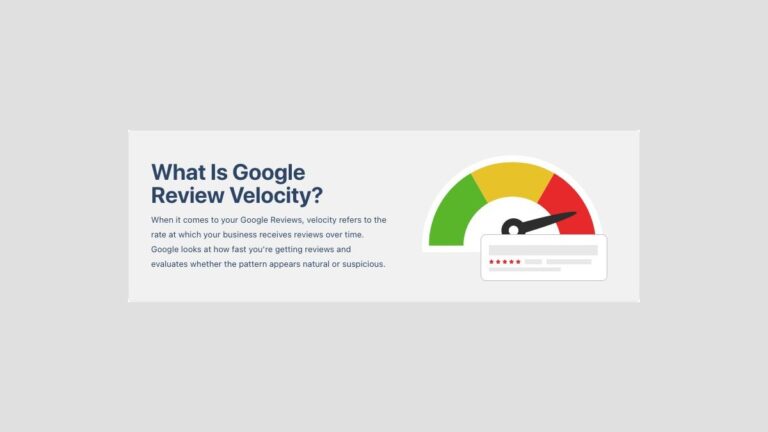
Review velocity means how quickly new reviews arrive. It can reveal a campaign, a seasonal change, a new location opening, a service disruption, or a sudden improvement.
Compare:
- Reviews per week
- Average rating by week
- Theme frequency by week
- Review volume by location
- Review timing relative to operational changes
A sudden cluster of similar reviews deserves investigation, but it isn’t automatically evidence of manipulation. Check booking records, staffing schedules, promotions, and weather or local events before drawing conclusions.
Measure Customer Sentiment
Sentiment analysis classifies language as positive, negative, or mixed. Automated tools can speed up first-pass sorting, but they often miss sarcasm, context, and industry-specific language.
“The food was cold, but the manager fixed everything” contains both a negative service failure and a positive recovery experience. Recording only “negative” loses the most useful lesson: the recovery may have protected the relationship.
Use a simple three-level system:
| Sentiment | Typical language | Follow-up |
|---|---|---|
| Positive | Helpful, clean, easy, professional | Identify what to preserve |
| Mixed | Good result but slow, friendly yet confusing | Find the tradeoff |
| Negative | Never again, misleading, ignored, damaged | Investigate and respond |
Add intensity
Sentiment alone isn’t enough. Add an intensity label:
- Low: minor inconvenience or preference
- Medium: clear dissatisfaction affecting the experience
- High: repeated failure, financial harm, discrimination allegation, safety concern, or threat to escalate
High-intensity comments should be routed to a manager even when the overall rating is four or five stars. A customer may praise an employee while reporting a serious billing or accessibility problem.
Warning: Don’t let an automated sentiment score make personnel, refund, or disciplinary decisions. Review the original wording, verify the facts, and protect private customer information.
Compare Locations And Services

For businesses with multiple branches, departments, or services, compare like with like. A downtown store may receive more complaints about parking, while a suburban location may receive more complaints about limited hours. Combining both can hide the local cause.
Create a comparison table:
| Segment | Average rating | Main positive theme | Main negative theme | Priority |
|---|---|---|---|---|
| Downtown location | 4.1 | Staff knowledge | Parking and wait time | High |
| Northside location | 4.6 | Fast service | Limited appointment slots | Medium |
| Online orders | 3.8 | Product quality | Shipping updates | High |
Useful segments include:
- Location: Chicago, Austin, or individual branches
- Service: installation, repair, delivery, consultation, or pickup
- Customer type: new customer, repeat customer, business account, or walk-in
- Time period: weekday, weekend, holiday, or seasonal campaign
- Journey stage: booking, arrival, service, payment, follow-up
Avoid publishing small-segment conclusions that could identify individual customers. Internally, use enough reviews to see a genuine pattern rather than reacting to one isolated comment.
Compare promises with experience
Review analysis becomes especially useful when it tests marketing claims. If a business advertises “same-day service” but reviews repeatedly mention delays, the problem isn’t simply negative sentiment. It’s a mismatch between brand promise and delivery.
List major promises, then search reviews for evidence:
- “Easy scheduling”
- “Transparent pricing”
- “Fast delivery”
- “Expert advice”
- “Family-friendly environment”
- “Open seven days”
A recurring contradiction should lead to either operational improvement or more accurate wording.
Understand What Customers Value
Positive reviews aren’t just praise; they identify the reasons customers choose and recommend a business. Look for concrete value drivers rather than generic compliments.
Common drivers include:
- Specific expertise: a knowledgeable optician, mechanic, contractor, or consultant
- Convenience: online booking, parking, pickup, delivery, or flexible hours
- Personal attention: remembering preferences, explaining options, or following up
- Reliable quality: consistent results, accurate orders, or durable products
- Fair treatment: honest estimates, clear policies, and respectful communication
- Comfort: cleanliness, quiet surroundings, seating, accessibility, or privacy
Count both the number of mentions and the detail behind them. “Good service” is less informative than “the associate explained the difference between the two plans without pushing the more expensive option.”
Turn strong themes into operating standards:
| Customer value | Observable behavior | Measurement |
|---|---|---|
| Clear pricing | Explain fees before payment | Billing complaints |
| Fast response | Return calls within a defined window | Callback records |
| Expert help | Explain options in plain language | Training reviews |
| Clean environment | Complete opening and closing checks | Inspection logs |
| Reliable delivery | Send status updates at key stages | Delivery complaints |
The aim isn’t to script every interaction. It’s to identify the repeatable behavior behind customer satisfaction.
Respond To Reviews Strategically
A response should serve the reviewer, future customers, and internal teams. It shouldn’t become an argument or a generic public-relations statement.
For a positive review:
- Thank the customer.
- Mention the specific strength.
- Reinforce the behavior for future readers.
For a negative review:
- Acknowledge the reported experience.
- Avoid debating details publicly.
- Explain the next step.
- Invite private contact through an appropriate channel.
- Investigate internally before promising a remedy.
A useful response might say that the business is sorry the appointment was delayed, recognizes that the customer should have received an update, and would like to review the booking details through a private contact channel. It shouldn’t demand that the reviewer delete the post.
For a mixed review, respond to both sides. Thank the customer for noting the helpful employee, then address the wait or pricing concern specifically.
Pro Tip: Maintain a response library for recurring situations, but require staff to personalize the first two sentences. Templates save time; generic language signals that nobody read the review.
Don’t offer compensation in exchange for changing or removing a review. The Federal Trade Commission’s Consumer Reviews and Testimonials Rule addresses deceptive review practices, including certain fake reviews, incentives tied to review sentiment, and review suppression.
Turn Findings Into Action
Analysis is useful only when it produces a prioritized action list. Rank issues using three factors:
- Frequency: how often the theme appears
- Impact: how seriously it affects customers or revenue
- Controllability: how directly the business can change it
A practical priority score can use a one-to-five scale for each factor. Don’t present the score as scientific certainty; use it to make decisions consistently.
| Issue | Frequency | Impact | Controllability | First action |
|---|---|---|---|---|
| Unclear service fees | 4 | 4 | 5 | Rewrite estimates and checkout wording |
| Weekend wait times | 5 | 4 | 3 | Review staffing and appointment capacity |
| Parking confusion | 3 | 2 | 4 | Add directions to confirmation emails |
| Product color mismatch | 2 | 4 | 2 | Review supplier and product descriptions |
Create three action categories:
Fix immediately
Use this category for safety concerns, billing errors, privacy issues, accessibility barriers, discriminatory treatment allegations, and repeated failures affecting many customers.
Test within 30 days
Use it for changes such as revised confirmation emails, clearer signage, staff scripts, appointment buffers, or a new escalation process. Assign one owner and define the outcome you want.
Monitor
Use it for isolated complaints, preferences the business can’t reasonably satisfy, or themes that lack enough evidence. Keep watching rather than ignoring them.
Each action needs an owner, deadline, baseline, and follow-up measure. “Improve communication” isn’t an action. “Add an appointment reminder showing expected duration and late-arrival policy by April 15” is actionable.
Tools And Workflow
The right tool depends on review volume, number of locations, and how often the analysis must be repeated.
| Business situation | Suitable approach | Best use |
|---|---|---|
| Fewer than 100 reviews monthly | Google Sheets | Manual coding and monthly themes |
| Several locations | Excel or Looker Studio | Filters, trend charts, location comparisons |
| Large review volume | Text-analysis platform | Topic discovery and first-pass sentiment |
| Regulated or sensitive business | Controlled internal system | Access limits and auditability |
| Executive reporting | Dashboard plus sample comments | Trends with human context |
A dependable monthly workflow looks like this:
- Collect: add new reviews and preserve the original date and rating.
- Clean: remove duplicates, spam, empty text, and internal test records.
- Code: label themes, sentiment, intensity, location, and service.
- Compare: review current results against the prior period.
- Investigate: check operational records for the largest changes.
- Act: assign two or three improvements with owners and deadlines.
- Report: share the trend, representative language, and next steps.
- Recheck: measure whether the theme declines or satisfaction improves.
Keep access limited when reviews contain names, order details, health information, or other sensitive material. Store only what the analysis requires, and don’t paste confidential customer data into an AI or text-analysis tool without reviewing its privacy and retention terms.
Common Analysis Mistakes

Several shortcuts create confident but unreliable conclusions.
- Counting stars only: misses why customers are satisfied or frustrated.
- Reading only one-star reviews: overweights extreme experiences and ignores what works.
- Averaging all years together: hides recent deterioration or improvement.
- Treating every review as independent: a single event may generate several comments from related customers.
- Ignoring three-star reviews: misses moderate dissatisfaction and unmet expectations.
- Using sentiment without topics: tells you that customers are unhappy, not what to fix.
- Removing uncomfortable feedback: destroys evidence and may create legal or trust risks.
- Overreacting to one comment: encourages expensive changes without a pattern.
- Comparing unlike locations: confuses local conditions with company-wide performance.
- Using generic responses: makes the business appear inattentive.
- Chasing the rating: encourages review solicitation instead of better service.
- Publishing private details: can expose the reviewer and create a second failure.
Troubleshoot conflicting evidence
If reviews say “fast” and “slow” at the same time, segment by service, day, location, or customer type. If ratings improve but complaints about one issue continue, the business may have fixed another problem while leaving the original one unresolved. If review volume drops, check whether the customer journey changed before assuming satisfaction increased.
Frequently Asked Questions
How many Google reviews should I analyze?
Analyze all reviews when the volume is manageable. For a large profile, begin with the most recent three to six months, then compare it with an earlier period. Include every star rating and sample by location, service, and time period so the findings don’t reflect only the loudest customers.
What is the best way to analyze Google reviews?
Combine rating distribution, review trends, topic coding, sentiment, intensity, and customer wording. Put the findings in a spreadsheet or dashboard, then connect recurring complaints to operational records. The best method is the one your team can repeat consistently and turn into assigned actions.
Can AI analyze Google reviews accurately?
AI can quickly group comments, identify possible topics, and classify likely sentiment. It can misunderstand sarcasm, mixed experiences, names, slang, and industry-specific terms. Use it for sorting and pattern discovery, then have a person verify important findings before taking action or making public claims.
Should I respond to every negative review?
Respond to every legitimate negative review when practical, especially when it raises a repeated or serious issue. Keep the response specific, calm, and privacy-safe. Move account details offline, investigate before promising a remedy, and never argue publicly or offer an incentive tied to changing the review.
How often should a business analyze reviews?
A monthly review is suitable for most small and midsize businesses. Analyze weekly when review volume is high, the business is undergoing a major change, or a recurring issue needs close monitoring. Review quarterly trends as well so short-term fluctuations don’t drive unnecessary decisions.
Do Google reviews represent all customers?
No. Review writers aren’t necessarily a statistically representative sample of every customer. Reviews are best treated as directional evidence: they reveal language, friction points, and memorable experiences. Combine them with surveys, support tickets, cancellations, repeat purchases, and staff observations for a fuller picture.
Conclusion
Start with the newest 100 reviews, place each into a spreadsheet, and label the rating, location, main topic, sentiment, and specific complaint or compliment. After one hour, identify the three most frequent themes and assign one practical owner to each. Repeat next month to see whether the patterns change.

WRITTEN BY
Ryan Thomas
Ryan Thomas writes about online review management, covering review monitoring, customer feedback, ratings, negative reviews, and reputation building. His practical insights help businesses manage reviews effectively, strengthen customer trust, improve their online reputation, and turn feedback into opportunities for long-term growth.
View all posts →